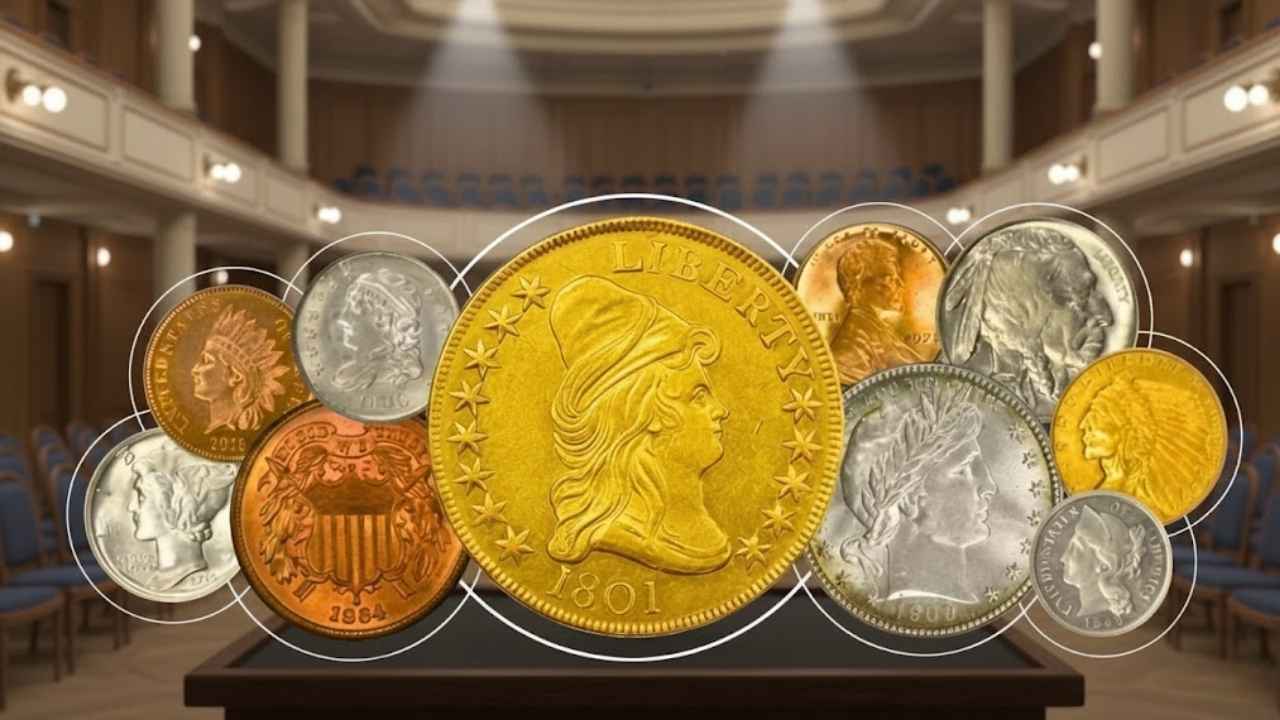
Wheat Penny Price Trends Over the Last 10 Years: Wheat pennies, produced from 1909 to 1958, have remained one of the most collected and discussed U.S. coins in numismatic history. Recognized by their wheat-ear reverse and connection to President Abraham Lincoln, these coins appeal to collectors for both historical and financial reasons. During the last decade, the Wheat penny market has changed noticeably, with certain coins seeing strong price growth while others remained relatively stable. Understanding how Wheat penny prices evolved over the last 10 years helps collectors and investors better navigate today’s market.
Wheat Penny Price Trends Overview 2015–2025
| Category | Examples | Average Price Change | Market Behavior |
|---|---|---|---|
| Common Dates | 1941, 1944, 1956 | Slight increase | Stable demand, high supply |
| Semi-Rare Dates | 1914-D, 1922 No D | Moderate increase | Growing collector interest |
| Key Dates | 1909-S VDB, 1955 Doubled Die | Significant increase | Strong auction demand |
| Error Coins | Off-center, doubled die | High increase | Limited supply, rising awareness |
| High-Grade Coins | MS65 and above | Very high increase | Strong investment appeal |
The Popularity of Wheat Pennies
Wheat pennies continue to attract collectors because they represent the first U.S. coin series to feature a real historical figure. Their design is simple yet iconic, and certain years were minted in very limited numbers. Because many Wheat pennies are still affordable, new collectors often start with them, while advanced collectors focus on rare dates and high-grade examples that carry significant value.

Key Factors Influencing Wheat Penny Prices
Several elements shape the Wheat penny market. Date and mint mark play a major role, as some combinations are far scarcer than others. Condition is equally important, since coins in uncirculated or near-perfect condition command far higher prices. Rarity, including low mintage and mint errors, adds another layer of value. Finally, overall collector demand and economic conditions influence how prices move over time.
Wheat Penny Market Movement from 2015 to 2025
Over the past decade, Wheat penny prices have generally moved upward, especially for scarce and well-preserved coins. Common circulated pennies from the 1940s and 1950s saw modest growth due to their large supply. Semi-rare dates experienced steady appreciation, particularly in higher grades. Key date Wheat pennies recorded the strongest gains, with some coins multiplying in value as competition increased at auctions.
Rare Dates and High-Value Wheat Pennies
Certain Wheat pennies have consistently led the market. The 1909-S VDB remains the most famous, with demand continuing to grow. The 1914-D and 1922 No D also gained momentum over the last 10 years due to limited availability. Coins like the 1955 Doubled Die achieved record prices as collector awareness expanded and grading standards improved.
The Impact of Errors and Varieties
Error Wheat pennies played an increasingly important role in price growth. Coins featuring doubling, wrong metal planchets, or striking mistakes attracted collectors seeking unique pieces. Over the last decade, increased education and online exposure helped bring attention to these errors, driving prices higher for authenticated examples.

Areas of Strongest Price Growth
The biggest gains in Wheat penny prices occurred in high-grade coins, key dates, and error varieties. Coins graded MS65 or higher consistently outperformed lower-grade pieces. Rare mint and year combinations benefited from limited supply, while error coins gained value due to their uniqueness. In contrast, common circulated pennies showed slower growth.
Practical Tips for Wheat Penny Collectors
Collectors should focus on authenticity and condition when evaluating Wheat pennies. Professional grading services provide reliability and market confidence. Paying attention to key dates and mint marks offers better long-term value. Proper handling and storage are essential, as damage or cleaning can significantly reduce a coin’s worth. Monitoring auctions and dealer trends helps collectors stay informed.

Final Verdict
The evolution of Wheat penny prices over the last 10 years highlights the strength of rare coins in the collector market. While common Wheat pennies remain affordable, key dates, high-grade coins, and error varieties have shown impressive appreciation. For collectors and long-term investors, Wheat pennies continue to offer a meaningful combination of history, collectability, and potential financial growth.
Disclaimer
This article is intended for informational purposes only. Wheat penny values vary based on condition, rarity, market demand, and professional grading. Prices mentioned are not guaranteed and may change over time. Readers should consult certified coin dealers or professional numismatists before making buying or selling decisions.