
1776–1976 Bicentennial Quarter Error Coins: The 1776–1976 Bicentennial Quarter holds a special place in American coinage because it marks 200 years of U.S. independence. This coin is instantly recognizable and widely remembered, even by people who are not coin collectors. While the majority of Bicentennial Quarters are very common and worth only face value, a small group stands out due to minting errors. These rare mistakes have turned ordinary-looking quarters into valuable collectibles, sometimes worth far more than expected. Learning how to identify these errors is essential for understanding the true Bicentennial Quarter error coin value.
Types of Bicentennial Quarter Errors and Their Value
| Error Type | Description | Rarity Level | Estimated Value Range |
|---|---|---|---|
| Off-Center Strike | Design is misaligned on the coin | Medium | $50 – $500 |
| Double Die Error | Doubling visible on letters or images | High | $200 – $3,000 |
| Wrong Planchet | Struck on incorrect metal | Very High | $1,000 – $10,000+ |
| Die Crack Error | Raised cracks from damaged dies | Low to Medium | $40 – $300 |
| Missing Details | Weak or absent design elements | Medium | $100 – $1,000 |
Historical Background of the Bicentennial Quarter
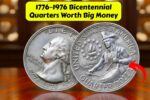
To celebrate the 200th anniversary of the United States, the U.S. Mint introduced special designs for the quarter, half dollar, and dollar coins. The Bicentennial Quarter was produced during 1975 and 1976 and carries the dual date 1776–1976. The front features George Washington, while the reverse displays a colonial drummer, a torch symbolizing victory, and thirteen stars representing the original colonies. These coins were released in large quantities for circulation, along with limited silver versions for collectors.
Because the Bicentennial celebration was a nationwide event, production numbers were extremely high. However, large-scale minting often leads to occasional mistakes. These errors are what make certain Bicentennial Quarters rare and valuable today.
Why Most Bicentennial Quarters Have Little Value
A standard 1776–1976 Bicentennial Quarter found in circulation is usually worth only 25 cents. Millions were produced, and many remain in everyday use. High supply and low demand keep ordinary examples from gaining value. Only coins with unusual features, confirmed mint errors, or exceptional condition rise above face value. This is why careful inspection is so important when evaluating Bicentennial Quarters.
What Makes a Bicentennial Quarter Error Valuable
Minting errors occur when something goes wrong during the coin production process. These mistakes can happen during planchet preparation, die creation, or striking. The value of an error coin depends on how rare the error is, how easy it is to see, and the overall condition of the coin. Dramatic and clearly visible errors are usually the most desirable to collectors.
Common Bicentennial Quarter Error Types
Some Bicentennial Quarters were struck off-center, leaving part of the design missing. Others show doubled lettering or images caused by misaligned dies. Planchet errors are among the most valuable and occur when a coin is struck on the wrong type of metal or an improperly prepared blank. Die cracks and weak strikes are also seen and can increase value depending on severity.
How Collectors Identify Rare Bicentennial Quarter Errors
Collectors examine Bicentennial Quarters closely under magnification to look for doubling, misalignment, or missing details. Weight and thickness checks are also important, especially for planchet errors. Any coin that looks unusual should never be cleaned, as cleaning damages the surface and significantly lowers the coin’s market value.
The Role of Professional Grading and Authentication
Professional grading services play a crucial role in determining the real Bicentennial Quarter error coin value. Experts confirm authenticity, identify the type of error, and assign a grade based on condition. Certified coins are easier to sell, insure, and accurately price in the collector market.
How Much Are Bicentennial Quarter Error Coins Worth Today
While most Bicentennial Quarters are common, verified error coins can be worth anywhere from a few hundred dollars to several thousand dollars. Coins with rare planchet errors or strong double die features often attract high auction prices. Market demand, error type, and preservation all influence final value.
Why Bicentennial Quarter Errors Attract Collectors
Error coins are unique, and no two are exactly the same. Bicentennial Quarters also carry historical significance, representing a major milestone in U.S. history. This combination of rarity, history, and discovery makes Bicentennial Quarter errors especially appealing to collectors of all experience levels.
Educational and Investment Value
Collecting Bicentennial Quarter errors helps enthusiasts learn about minting techniques, quality control, and American history. Over time, a carefully built collection can also grow in value. Many collectors enjoy the balance of education, enjoyment, and long-term investment potential.
Final Verdict
The 1776–1976 Bicentennial Quarter may appear ordinary, but error coins from this series can be surprisingly valuable. Minting mistakes can transform simple pocket change into sought-after collectibles. Understanding Bicentennial Quarter error coin value requires patience, knowledge, and professional verification, but the rewards can be significant both financially and historically.
Disclaimer
This article is for general informational purposes only. Coin values vary based on rarity, condition, demand, and professional grading. Prices mentioned are estimates and not guaranteed. Readers should consult certified coin dealers or professional grading services before making any buying, selling, or valuation decisions.